Accidental Ingestion: What to Do When Your Baby Swallows a Coin, Button Battery, or Medication
Babies explore the world mouth-first, which often leads to accidental ingestion. While some swallowed items pass safely, others present immediate, life-threatening dangers. Knowing how to react in the first few moments can save your baby's life.
This guide focuses on the three most dangerous and common items swallowed by infants: button batteries, coins, and medication.
The Immediate Medical Emergency: Button Batteries
If you suspect your baby has swallowed a button battery, this is a medical crisis.
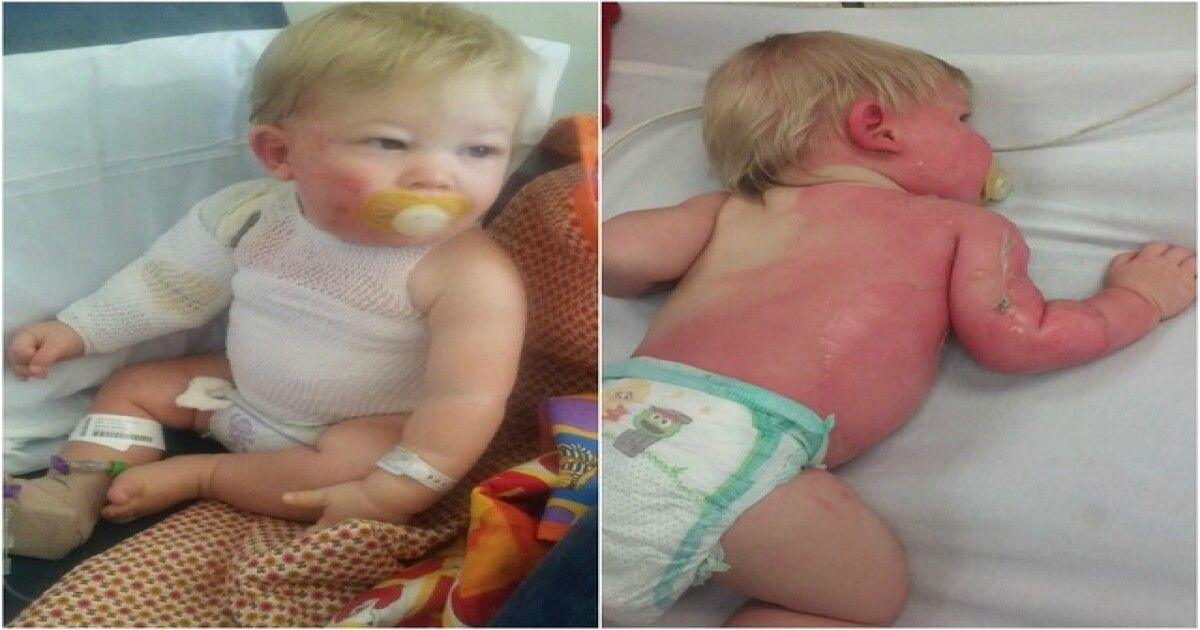
Button batteries (the small, round discs found in remote controls, key fobs, and toys) are deadly because they don’t need to be open or leaking to cause harm. Once swallowed, they interact with the saliva and tissue in the esophagus, creating an electrical current. This chemical reaction can burn through the esophagus in as little as two hours, leading to catastrophic internal damage.
Action Plan for Button Batteries:
- Do NOT wait for symptoms. Assume the worst and act immediately.
- Go Straight to the Emergency Room (ER) or call emergency services right away. Do not pass go; do not try home remedies.
- Do NOT induce vomiting.
- Do NOT let your baby eat or drink anything unless advised by emergency staff.
- Inform the emergency staff immediately: “My baby may have swallowed a button battery.” Time is the single most critical factor.
Swallowing Coins and Small Objects
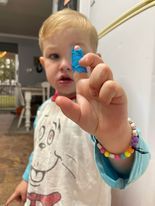
When a baby swallows a small, smooth object like a coin, the immediate risk is whether it causes choking (airway blockage). If the baby is breathing, coughing and talking/crying normally, the object has likely passed into the oesophagus or stomach.
Action Plan for Coins/Small Objects (When NOT Choking):
- Call your GP or a Poison Information Centre 13 11 26. They will advise you based on the object's size and the baby's age.
- Observe Closely: If advised to monitor at home, look for the object in the baby’s stool over the next few days.
- Watch for Red Flags: Seek immediate medical attention if the baby develops coughing, drooling, vomiting, decreased appetite, or abdominal pain. These symptoms can indicate the object is stuck.
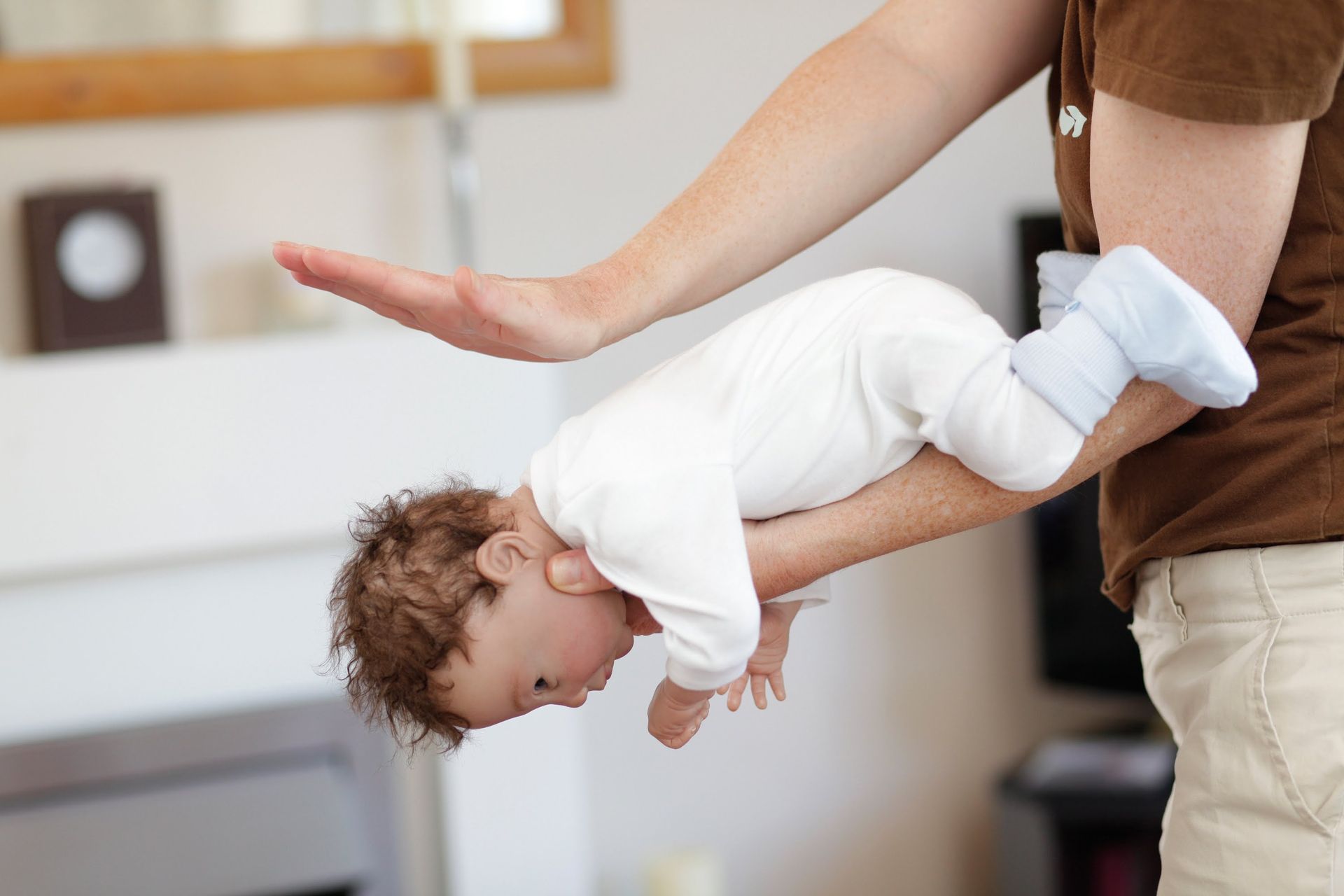
Remember: If the baby is choking (silent, turning blue), follow the Back Blows and Chest Thrusts procedure immediately.
Medication and Household Poisons
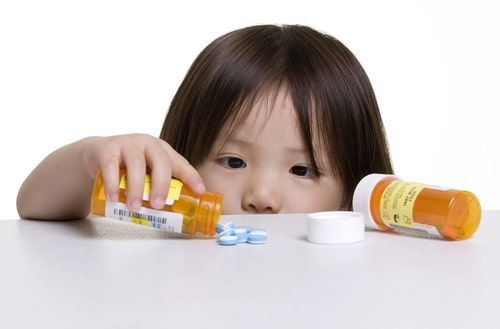
Children often consume medications (even non-toxic ones like vitamins) or cleaning products because they are brightly coloured or easily accessible.
Action Plan for Medication/Poisons:
- Stay Calm and Assess: Try to determine exactly what the baby swallowed and how much. Bring the container with you to the phone.
- Call Poison Information Centre or Emergency Services: In most cases, the Poison Information Centre is the first and best resource. They have real-time information and will guide you step-by-step.
- Follow Instructions: Only follow the instructions given by the expert on the phone. Do NOT induce vomiting or try to treat the baby until you have spoken to a professional.
- Never Store in Reach: Prevent this emergency entirely by storing all medication, supplements, and cleaning products, even "child-safe" ones, out of sight and in locked cabinets.
When it comes to accidental ingestion, hesitation is the greatest risk. If you are unsure what was swallowed or how dangerous it is, always default to calling emergency services or the Poisons Information Centre first.
For more information: https://www.rch.org.au/kidsinfo/fact_sheets/Swallowed_ingested_foreign_bodies/
Disclaimer: The health information provided is for informational purposes only and is not intended to be a substitute for professional medical advice, diagnosis, or treatment. Always seek the advice of a qualified healthcare provider with any questions you may have regarding a medical condition.