Decoding Febrile Convulsions: Managing a Baby Seizure When Fever Strikes
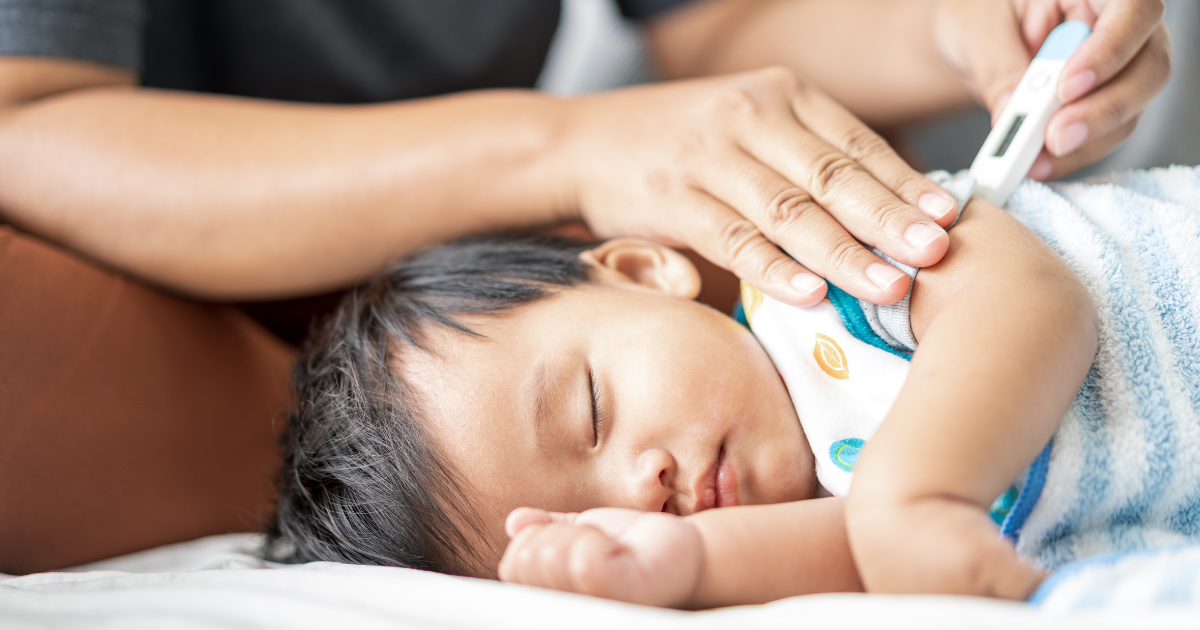
Few things are more terrifying for a parent than witnessing their child have a seizure. When these seizures are triggered by a high or rapidly rising temperature, they are known as febrile convulsions (or febrile seizures).
While they are extremely frightening to watch, the good news is that febrile convulsions are common (affecting about one in every 20 children), usually harmless, and do not cause long-term brain damage. Knowing how to react in those critical moments is what truly matters.
What Exactly is a Febrile Convulsion?
A febrile convulsion is a seizure that occurs in a young child, typically between the ages of six months and five years, triggered by a fever (a temperature of 38°C or higher). Crucially, the seizure is usually caused not by how high the fever gets, but by the rapid rise in temperature at the beginning of an illness.
These convulsions typically last only a minute or two but can feel like an eternity to a worried parent. They are not a sign of epilepsy (which is a different condition).
Recognizing the Seizure
A typical febrile convulsion is characterized by:
- Loss of Consciousness: The child will be unresponsive and unaware of their surroundings.
- Body Movements: The baby's arms and legs stiffen, followed by rhythmic twitching or jerking movements.
- Eyes: Their eyes may roll back or stare blankly.
- Breathing: Breathing may be shallow, noisy, or temporarily stopped.
- Duration: Most convulsions stop spontaneously within two to three minutes.
Immediate Action: Keep Them Safe (The Do's and Don'ts)
When your baby begins to convulse, your primary goal is to protect them from injury and time the event.
DO:
- Protect from Harm: Gently move your baby away from hard objects or sharp furniture. If they are in a high place (like a change table or high chair), quickly move them onto the floor.
- Position Safely: Place the baby on their side (the recovery position) on a soft surface. This helps prevent them from inhaling vomit or saliva.
- Time the Seizure: Start a timer immediately. This is vital information for emergency services and doctors.
- Loosen Clothing: Remove any tight clothing around their neck or head.
DON'T:
- DO NOT Restrain: Never hold your baby down or try to stop the jerking movements.
- DO NOT Put Anything in Their Mouth: This includes fingers, spoons, or medication, as it can cause injury or block their airway.
- DO NOT Use Cold Water: Avoid cold baths or icy compresses; rapid cooling can actually worsen the seizure.
After the Seizure: Recovery and Red Flags
Once the jerking stops, your baby may be sleepy, confused, or irritable for an hour or two. This is normal. Comfort them and let them rest.
Call Emergency Services IMMEDIATELY if:
- The seizure lasts longer than five minutes.
- The baby has difficulty breathing after the seizure stops.
- The baby is vomiting or choking after the seizure.
- The baby appears very sick before or after the convulsion.
If the seizure lasts less than five minutes, call your doctor or nurse helpline for advice and bring your baby in for a check-up to determine the cause of the fever.
Understanding how to manage a febrile convulsion empowers you to stay calm and deliver the life-saving care your baby needs. Consider taking an in-person first aid course to practice these skills hands-on!
For more information: https://www.rch.org.au/kidsinfo/fact_sheets/Febrile_Convulsions/
Disclaimer: The health information provided is for informational purposes only and is not intended to be a substitute for professional medical advice, diagnosis, or treatment. Always seek the advice of a qualified healthcare provider with any questions you may have regarding a medical condition.