June is National Burns Awareness Month
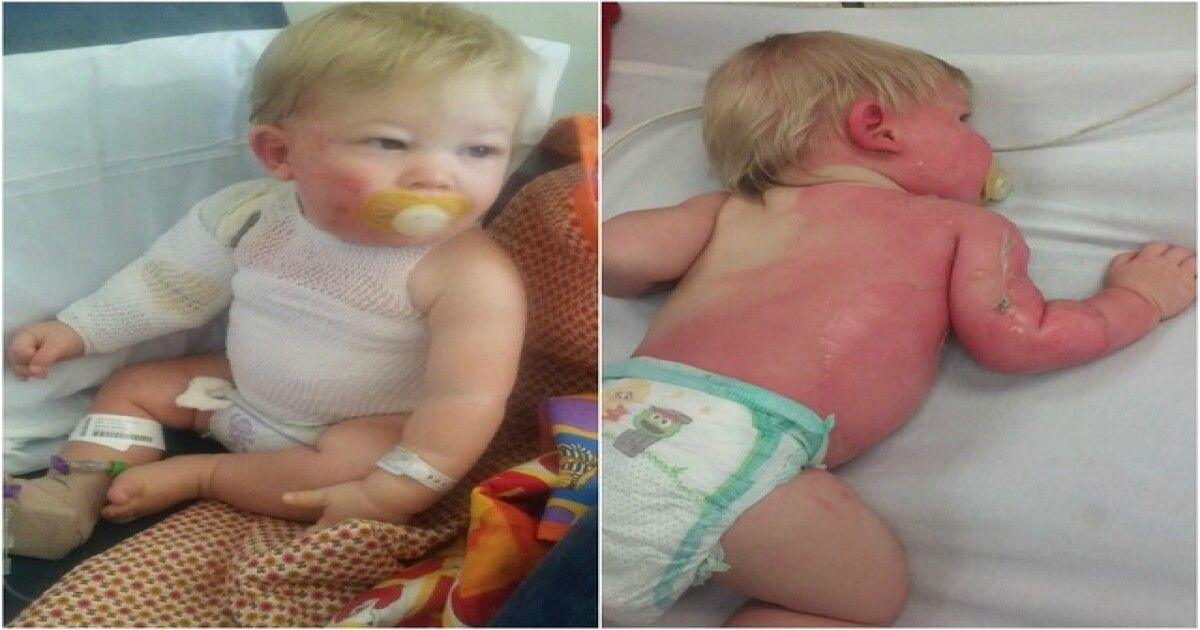
In Queensland, almost two young children are hospitalised each week. They are under four and have serious burns. Severe burns can be deadly. Even small burns can be dangerous for young kids. All burns are painful and can have a lasting impact on their life. Babies and young children have fragile skin. Their skin burns deeper and more quickly than adults. And, it burns at lower temperatures. Most burns are preventable. By being aware and making small changes, you can help keep your family safe.
Hot food and drinks remain the number one cause of serious burns and scalds. So, it is best never to have small children in the kitchen when you are cooking. Keep hot drinks away from the edge of the table or bench and, where possible, use a cup with a lid. You never know when the baby will be able to reach or when a crawling infant will start to toddle. Make it a habit from the moment they are born to keep hot drinks out of their reach. Your toddler may be safer in the playpen or highchair for a short time when you are busy in the kitchen. Or, you could use a child safety gate to keep them out.
The bathroom is another place to keep children safe from scalds and burns. Never leave running water unattended. Always test its temperature before letting them get in. A good tip is to run cold water at the beginning and at the end, so it cools the spout. Always turn taps off tightly, so little hands cannot turn them on themselves.
One ‘hot tip’ is to think about your ‘hot water’. Some domestic homes are set at 70°. The ideal temperature should be set at 50°. Hot water burns like fire. A small temperature change can be the difference between a minor and a severe burn. At 60° it takes one second for hot water to cause a life-threatening scald to an infant. At 55° it takes ten seconds and at 50° it takes five minutes. Talk to your licensed plumber. They can recommend tempering valves and hot water shutdown devices.
In winter, guards around fires and heaters should always be used. Children can get burned if they touch the hot surface of a heating appliance, hot coals, or flames. Camping is also a past time where children are burnt by fire. Create a boundary. Then, put out the fire safely when done. This is to prevent small feet from getting burnt on hot coals. Supervision is the key to prevent children from burns.
Smoke alarms save lives. So, make sure you have them installed and replace the batteries every year on April 1st.
BURNS STATISTICS
· Children aged 12–24 months account for 33% of paediatric burn injury cases.
· The most common cause of burn injury to children is scalds (57%) followed by contact (23%) and flame (10%) injuries.
. Hot drinks cause most scald injuries to children. They are followed by water from a saucepan, kettle, jug, billy, urn, or thermos.
and scald injury from food.
· 79% of burn injuries to children occur in the home environment.
· The kitchen is the most common location in the house for a child to be burned (50% of cases). The next most common location is the
living room, playroom or family room (18%) and the garden or yard (12%).
TIPS
· Test water before putting baby in bath
· Fill bath with cold water first than hot water
· Full supervision in kitchen
· Keep hot fluids and food out of reach
· Store kettle and cord away from reach
· Turn pot handles in so children cannot reach them
· Always supervise during camping
· Guards around fire or heater
If the unthinkable happens and your child gets burns or scalds, give first aid right away. This will reduce the severity. If clothes are wet, take them off so heat can escape.
FIRST AID FOR BURNS
1. Cool the burn for 20 minutes: under cool running water. This treatment is useful up to 3 hours later.
2. Cool the burn, not the child. If the burn is large, stop cooling after 20 minutes. Do not stop earlier, unless recommended.
3. Cover the burn: with sterile non-stick dressing. If not available use cling wrap/cotton sheet.
4. Call 000: if the burn is to the child's face, airway, hands, joints or genitals or if the burn is larger than the child's hands.
5. Keep the child warm and seek medical advice, if the burn is larger than a 20-cent piece, looks raw or the child is in pain.
DO NOT apply ice, iced water, butter, creams, oil or powders!
Remember, prevention is the best cure and always look out for hazards and keep your children safe.
National Burns Awareness month is an initiative of Kidsafe Australia. They have an excellent Burns Safety Checklist. It and the Burns Information Guide are available at the links below.
https://kidsafe.com.au/wp-content/uploads/2025/06/202506-NBAM-Checklist-FINAL.pdf
https://kidsafe.com.au/nbam-burnsafe-resources
Disclaimer: The health information provided is for informational purposes only and is not intended to be a substitute for professional medical advice, diagnosis, or treatment. Always seek the advice of a qualified healthcare provider with any questions you may have regarding a medical condition.