Bites and stings: The risks and remedies when living in North Qld
As a parent there are so many things to think about, so what happens if your little one is suspect to a bite or sting? It can be difficult to know if a bite or sting is dangerous or not, so let’s talk about bites and stings that happen in and around north Queensland.
INSECT BITE
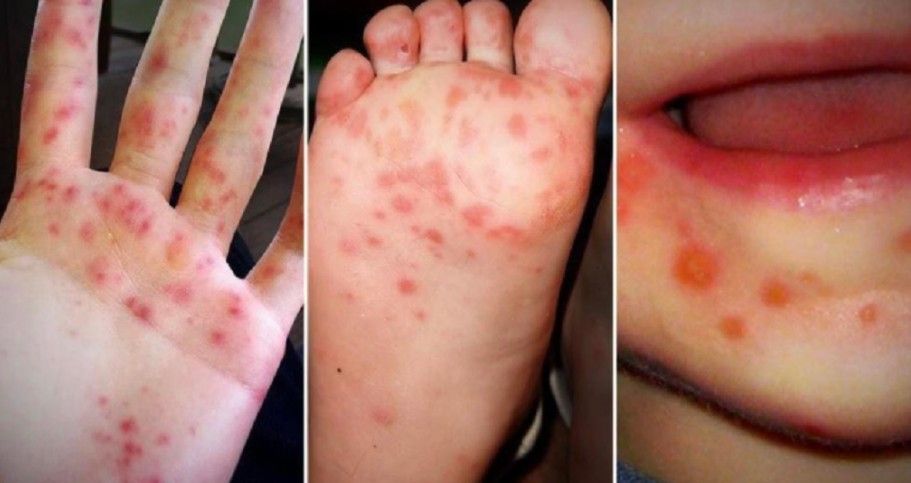
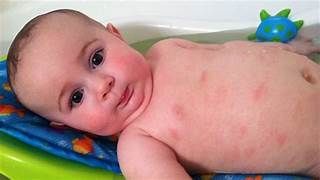
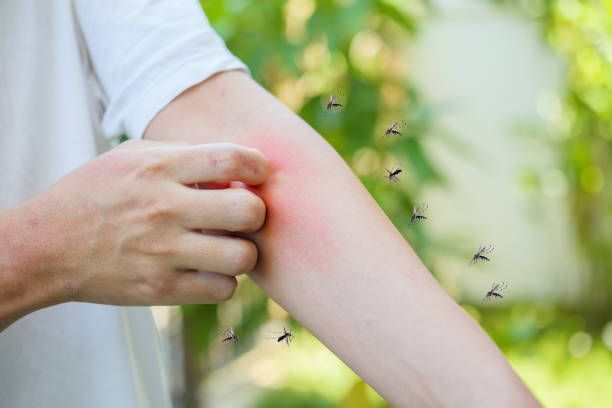
Common symptoms of insect bites are skin irritation, inflammation or swelling, a bump or a blister around the bite mark. Insect bites usually clear up within a couple of days without any treatment.
MOSQUITOES
Can cause itchy bites and severe allergic reactions are rare. Itching is quite common, and children will often scratch breaking the skin. If the skin is broken it can lead to an infection, so if itching persists for more than 48 hours, it is best to take your child to the Doctor.
BEES and WASPS
Can produce a painful sting, however the major cause for concern is the development of serious allergy, also known as anaphylaxis. If a child shows signs of anaphylaxis, ring 000 immediately and wait for the ambulance. Anaphylaxis discussed below.
Wasps rarely leave their sting in the skin but if a bee’s stinger is left behind, gently remove it by scraping it carefully from the side with a fingernail or credit card, flicking the sting out to reduce the amount of venom injected. Do not use tweezers as you may release more venom from the sac. Follow general first aid for bites and stings below.
CATERPILLARS
Can cause painful, itchy, and inflamed skin reactions when caterpillar hairs become embedded in the child’s skin. These hairs can cause eye injury if they get into the eye, so see your doctor immediately if there are caterpillar hairs in the eye.
Remove visible hairs with tweezers, then apply and remove adhesive tape to the area to remove the finer hairs. Do not scratch or rub the area as this may cause the hairs to penetrate deeper into the skin.
SNAKE BITE
Snake bites in north Queensland can be potentially fatal and an ambulance should be called immediately by dialling 000 for all cases of suspected snakebite. While not all snakes are venomous, it is difficult to identify snakes, so all bites should be treated as potentially dangerous. Immediately apply a pressure-immobilisation bandage, lay the child as still as possible and wait for the ambulance to arrive. Do not attempt to kill or capture the snake yourself.
BOX JELLY FISH
Are found mostly in the warm waters along the north Queensland coast. Stings are potentially fatal. Douse the tentacles with vinegar, and then call 000 for an ambulance. If the child isn’t breathing, start cardiopulmonary resuscitation (CPR). Do not attempt to remove the tentacles and do not rub the sting.
BLUEBOTTLE
Are found in all coastal waters and can be seen when walking along the beach in summer. The sting can cause immediate intense pain followed, by redness at the site. Remove any remaining tentacles by washing the area with water. Soaking the affected area in hot but not scalding water (ideally 45 C) for 20 minutes may relieve the pain. This is not suitable for infants, as hot water may burn the skin. Do not use vinegar. If pain persists, patient should see their local Doctor.
IRUKANDJI SYNDROME
Most cases are not life threatening, but Irukandji syndrome can be a potentially lethal condition. The initial sting is usually not felt but can develop into a progressive syndrome (over minutes to hours) characterised by restlessness, sweating, nausea, vomiting and severe pain affecting the limbs, back, abdomen or chest. For suspected Irukandji syndrome, douse the site with vinegar. Ring 000 for an ambulance, so your child can attend an Emergency Department for assessment.
BATS
Flying Foxes as we know them in north Queensland. Infection may be transmitted after scratches or bites. If your child is bitten or scratched by a bat, wash the area with soap and water for five minutes, apply an antiseptic, and then see your local Doctor.
GENERAL FIRST AID FOR BITES AND STINGS
· Wash with soap and water and apply an antiseptic if available
· Ensure your child’s tetanus vaccination is up to date
· An icepack can be applied to reduce local pain and swelling
· Pain relief may be required e.g., paracetamol or an antihistamine (to reduce
swelling, redness or itch)
· See your doctor if your child develops any other symptoms or signs of
infection
ANAPHYLAXIS
Signs and symptoms to look out for in children after a bite or sting are:
- difficult/noisy breathing
- swelling of tongue
- swelling/tightness in the throat
- difficulty talking and/or hoarse voice
- wheeze or persistent cough
- persistent dizziness or collapse
- pale and floppy
- abdominal pain, vomiting (these are signs of anaphylaxis for insect allergy
Anaphylaxis is a medical emergency
· Lay the child flat (do not allow them to stand or walk)
· Give autoinjector (EpiPen or AnaPen) if one is available
· Dial 000 for the ambulance
· Give second autoinjector if there is no response after 5 minutes
· The child will be transported to the Emergency Department for at least
4 hours of observation.
If this is your child’s first anaphylactic event, the ambulance will administer adrenaline on the way to the hospital. Commence CPR if the child is unresponsive and not breathing normally.
Resources for further information:
https://www.healthdirect.gov.au/
https://www.childrens.health.qld.gov.au/
Disclaimer: The health information provided is for informational purposes only and is not intended to be a substitute for professional medical advice, diagnosis, or treatment. Always seek the advice of a qualified healthcare provider with any questions you may have regarding a medical condition.